Tuesday, November 29, 2011

Exploring Pumpkins

Our trip to the Pumpkin Farm led perfectly into our exploration of pumpkins. 

We began our study, by using our senses to explore pumpkins. We sketched the pumpkins we picked from the farm using different materials. We first created a pencil sketch using pencil and coloring it with crayons. Next, we sketched our pumpkins using black ink pens. 


Finally, we sketched and then carefully painted our pumpkins.

We read The Pumpkin Circle by George Levenson.

This non-fiction text taught us about the life cycle of a pumpkin. We learned that the cycle is never ending that starts with a seed and ends with a pumpkin. We synergized (Habit #6) to create a large pumpkin life cycle to share our new learning.

We then began to explore the parts of a pumpkin even further. We labeled the outside of a pumpkin: stem and skin. 


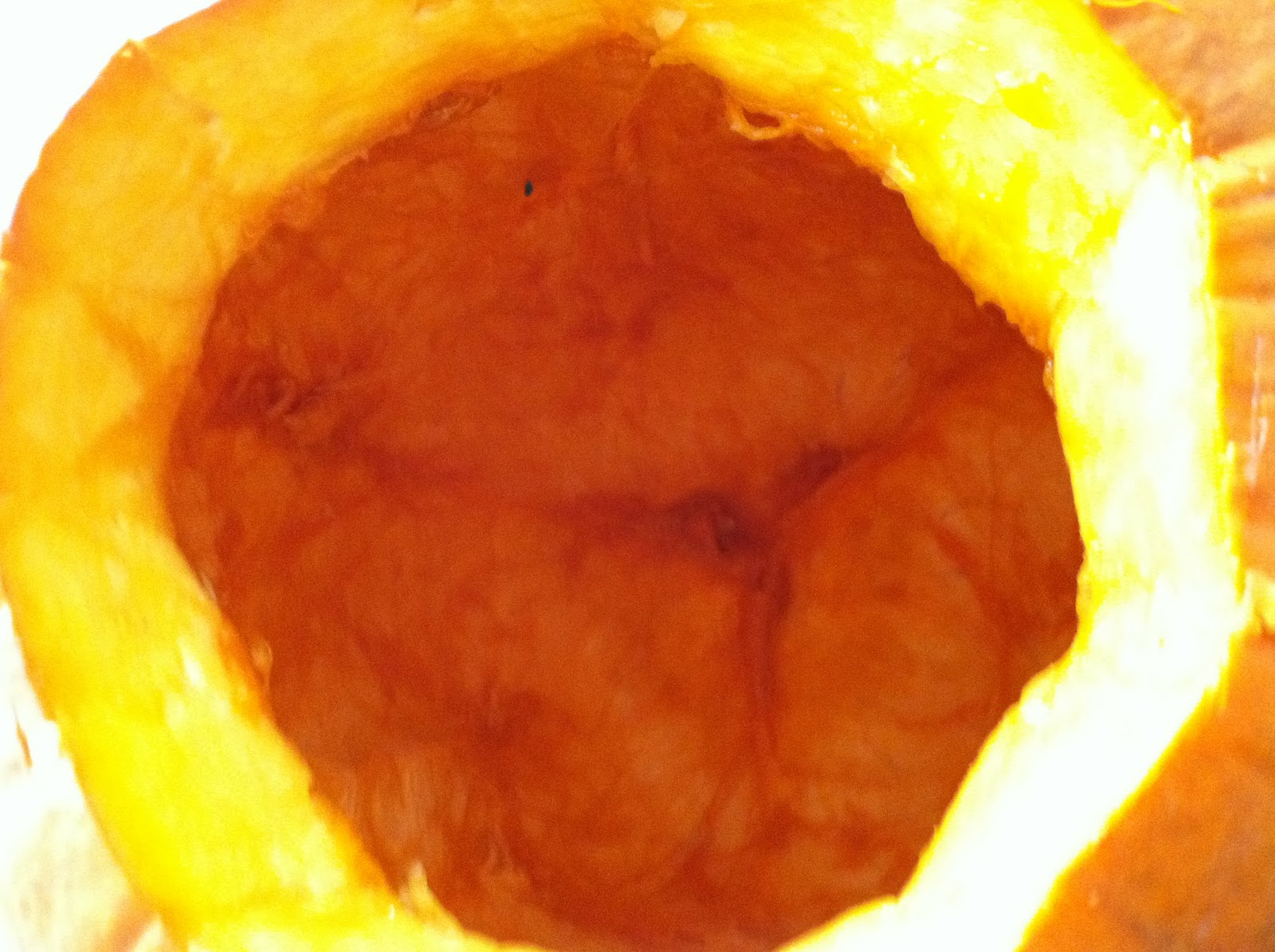
Then, we worked together to explore the inside of a pumpkin: flesh, pulp, and seeds. 

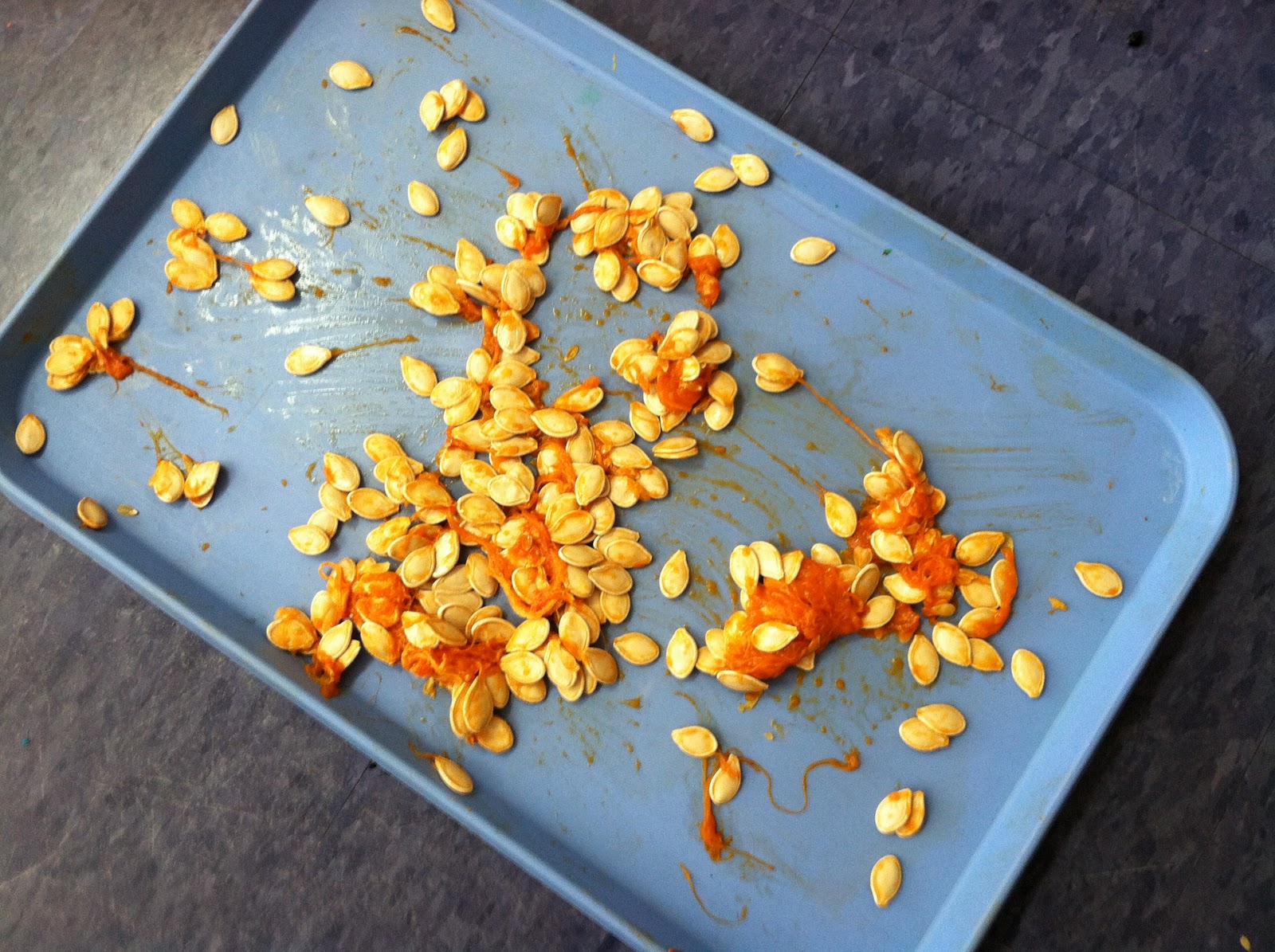
We took all of the seeds outside of the pumpkin and laid them on a tray. Before counting how many seeds were inside of our pumpkin, we each estimated how many seeds we thought were inside of the pumpkin. We counted the seeds in groups of 10 and found out there were 238 total seeds inside of our pumpkin! 

We explored pumpkin seeds by sketching their shapes and labeling our sketch. We also tasted baked pumpkin seeds. The majority of our friends loved the pumpkin seeds! 

Now that the inside of pumpkin has been cleaned out, we decided to carve a face into our pumpkin to create a jack-o-lantern.
We voted which shapes we would like to carve the eyes, nose and mouth. The shapes with the most votes were...


After about a week of enjoying our jack-o-lantern inside, we noticed that some changes were taking place with our jack-o-lantern. We read the book Pumpkin Jack by Will Hubbell. We learned that our jack-o-lantern was decomposing. We learned that a decomposing pumpkin can actually be good for the earth. We drew our observations of the jack-o-lantern before we took it outside and placed it in our garden.


The next day we were surprised to see our jack-o-lantern already decomposing into the earth!

Here is our pumpkin life cycle documentation that is outside of our classroom.


We learned so much through our study on pumpkins and integrated all four content areas into our study: literacy, math, science, and social studies. On our Promethean Board, we worked on a venn diagram comparing apples and pumpkins. We connected our learning and documented several similarities between apples and pumpkins. We had a great time working towards meeting our learning targets and becoming pumpkin experts! 

Sunday, November 6, 2011

Pumpkin Farm

On Tuesday, October 25, our class spent the day at The Learning Tree Farm. We had beautiful weather and an amazing time exploring the woods, farm animals, eating a picnic lunch, and picking our very own pumpkins! 


Fall

It is officially fall, and in our classroom we have been investigating the changes that occur during this season. Here are some of the activities we have engaged in that have helped us learn more about the world in which we live. 

We collected leaves from around our school and laid them out on a large piece of paper. 

We then worked together to create rubbings of the leaves using crayons.

The last step of the process was to paint with water color over the crayon rubbings.

The finished product was a beautiful piece of art!

This fall, we have spent a lot of time outside observing the season's changes. One morning, we worked outside carefully sketching one of the trees on our playground. 


We have loved pretending that the truck on our playground is a hayride. 

Some friends have been exploring our Discovery Garden and using their imaginations and natural materials to play with.

We were lucky enough to spend one beautiful fall day exploring nature at Russell Woods. Here is a photograph from our hike.

Exploring Apples

For three weeks, we spent our afternoons exploring apples and becoming "apple experts". One of our learning targets is using our five senses to observe and describe things in nature. That is just what we did with our study on apples. The three week study allowed us to explore apples in different ways while integrating different content areas. 

We began our study by exploring, observing and sketching what we see. 

We spent time sketching different types of apples. We learned that it is very important to draw the object how we see it in real life. 

Through observations and sketching, we learned that there are different types of apples. We also learned that apples are not all the same. They come in different sizes, shapes, and colors. 

Our next step in our study was to explore the different parts of apples. We learned that apples have skin, stems, flesh, and seeds. We learned that if you cut an apple in half, the seeds are formed in the shape of a star! 

We worked together to color and label the parts of an apple.

We tasted four different types of apples and voted on which we liked the best. Most of our class liked Granny Smith apples. 

We learned that apples can be used to make many different types of foods. We made homemade apple sauce, dipped apples in hot caramel, and tasted apple butter on toast. 

We learned about what happens to apple trees during each of the four seasons: spring, summer, winter, and fall. We created the seasons of an apple tree using our hands and different art materials. 

We used apples and paint to create art. 


Our learning was documented outside of our classroom. 

Apple sketches: 

Parts of an apple:


We ended our study by writing sentences with illustrations. We wrote non-fiction sentences to share what we learned throughout our apple explorations.

What we learned through this study: 
  • Apples are harvested in the fall. 
  • Apples grow on trees. 
  • Apples are a fruit. 
  • Apples are healthy. 
  • Apples are good for your teeth. 
  • Apples come in many different sizes, shapes, and color. 
  • Apples taste different. 
  • Apples can be sweet or sour. 
  • Apples have different parts. 
  • You can make different foods with apples: apple pie, apple sauce, apple butter, caramel apples, apple chips. 
  • Apples float in water.